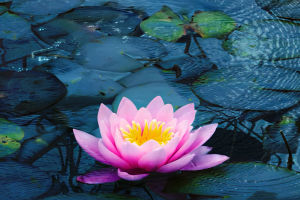
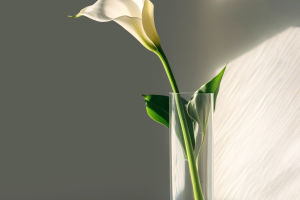
A single white vase on a bare table, a piece of fruit resting quietly beside it, and a soft shadow stretching across the surface—minimalist still life has a way of making ordinary objects feel extraordinary.
Unlike busy compositions, this style thrives on restraint, letting shapes, colors, and light take center stage. It's not just about fewer items; it's about deliberate choices that guide the viewer's eye and evoke emotion through simplicity.
Choosing Objects Wisely
In minimalist still life, every object counts. The goal is to communicate meaning with minimal elements, so choose pieces that complement each other in shape, color, or texture.
Selection tips:
Pick 2–4 objects maximum to avoid clutter; consider contrasting shapes for interest.
Focus on items with unique textures, like a ceramic bowl, a wooden spoon, or a glass bottle.
Use colors sparingly—neutral tones often enhance the sense of calm and focus.
For example, a photographer once arranged a single lemon on a shallow plate with a folded linen cloth. The simplicity allowed the lemon's vibrant yellow to become the focal point, while the soft wrinkles of the cloth added depth.
Mastering Light and Shadow
Light is the silent storyteller in minimalist still life. It shapes objects, creates depth, and sets the mood. Natural light from a window works beautifully, but controlled studio lighting can also achieve striking results.
Lighting techniques:
Side lighting emphasizes textures and edges, adding dimension.
Backlighting can create silhouettes, highlighting shapes rather than details.
Soft diffused light reduces harsh shadows, creating a serene atmosphere.
An actionable example: Place a small white reflector opposite a window to bounce light back onto darker objects, revealing subtle details without breaking the minimal look.
Composing Your Scene
Composition in minimalist still life relies on balance and negative space. The empty areas around objects are just as important as the items themselves.
Composition strategies:
Use the rule of thirds—position objects off-center to create natural flow.
Layer objects at different heights or distances to suggest depth.
Incorporate diagonal lines or curves to guide the viewer's eye.
A painter once arranged three vases of varying heights along a diagonal line on a plain tabletop. The simplicity made the eye travel across the scene effortlessly, creating a sense of calm elegance.
Background and Surface Choices
The backdrop in minimalist still life can either support or distract from the main objects. Plain, textured, or subtly colored surfaces enhance the visual impact without overwhelming the scene.
Background ideas:
A smooth, neutral-toned table or cloth lets objects stand out.
A subtle textured wall adds depth without drawing attention.
For photography, a large sheet of paper or fabric can create a seamless horizon.
Example: Using a soft beige linen backdrop behind a small stack of ceramic bowls helped a photographer capture the warmth of the ceramics while keeping the overall composition uncluttered.
Editing and Refining Details
Even after arranging objects, small adjustments make a big difference. Minimalist still life rewards patience and attention to minor details.
Refinement steps:
Adjust spacing between items until the balance feels natural.
Remove unnecessary elements that distract from the focal point.
Experiment with camera angles or viewpoints to find the most compelling perspective.
For instance, shifting a single apple slightly to the right and lowering the camera angle completely changed the mood of one setup, making the composition feel lighter and more dynamic.
Applying Minimalist Still Life Daily
Minimalist principles can also inform daily living and creative practices. Arranging a breakfast table or a desk with restraint encourages mindfulness and appreciation of small details.
Practical tips:
Limit surfaces to essential items; clutter distracts and reduces impact.
Rotate objects seasonally or weekly to keep the environment fresh and inspiring.
Observe how light changes across the day and adjust placements for optimal effect.
A small studio desk with only a lamp, notebook, and pen became a place of daily reflection and creative output simply by following minimalist principles, demonstrating the quiet power of simplicity.
Minimalist still life teaches us to see beauty in restraint and intentionality. By carefully selecting objects, managing light and space, and refining details, you can transform everyday items into striking compositions. Beyond art, the practice encourages mindfulness, appreciation of subtleties, and the joy of simplicity—a reminder that less can truly be more in both creativity and life.