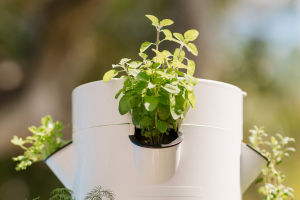
Growing herbs at home is one of the simplest ways to bring fresh flavors and natural beauty into your space. Whether you have a small windowsill or a backyard garden, herbs like basil, thyme, and rosemary are perfect for beginners.
Let's dive into how to grow these aromatic plants and enjoy the benefits they bring to your home.
Why Grow Your Own Herbs?
You might wonder why bother growing herbs when you can buy them at the store. Well, homegrown herbs offer some unique benefits. For one, they're always fresh, which means better taste and nutritional value. You also have full control over how they're grown, so there's no need to worry about pesticides or chemicals. Plus, tending to a garden, no matter how small, can be a great stress reliever.
1. Basil: The Versatile Herb
Basil is often the star of herb gardens. It's used in a variety of dishes, from pasta to pesto, and even as a garnish for drinks.
Here's how you can grow basil:
1. Sunlight: Basil needs at least 6 hours of direct sunlight daily. Place your container on a windowsill or balcony.
2. Soil: Choose a well-draining soil. Basil loves slightly acidic soil.
3. Watering: Keep the soil moist but not soggy. Overwatering can lead to root rot.
Basil thrives in warm temperatures, so if you live in a cooler area, consider growing it indoors. With a little care, you'll have fresh basil for salads and sauces all season long.
2. Thyme: The Hardy Herb
Thyme is one of the easiest herbs to grow, and it's a great choice for those with limited space. It's also very hardy, able to withstand dry conditions and cool weather.
Here's how you can grow thyme:
1. Sunlight: Like basil, thyme enjoys plenty of sunlight, around 4–6 hours a day.
2. Soil: It does best in sandy, well-drained soil.
3. Watering: Thyme is drought-resistant, so you don't need to water it too often. Just ensure the soil is dry before watering again.
Thyme is great for adding depth to soups, stews, and roasted dishes. It also has a pleasant aroma that can fill your garden or kitchen with a fresh, earthy scent.
3. Rosemary: The Fragrant Beauty
Rosemary is not only a flavorful herb but also a beautiful plant with aromatic, needle-like leaves. It's perfect for adding flavor to meats and vegetables, especially when grilling.
Here's how you can grow rosemary:
1. Sunlight: Rosemary loves full sun, so make sure it gets at least 6–8 hours of direct sunlight each day.
2. Soil: Rosemary thrives in well-draining soil, and it doesn't mind slightly alkaline conditions.
3. Watering: Like thyme, rosemary doesn't need frequent watering. Let the soil dry out between waterings to prevent root rot.
If you're short on space, rosemary also grows well in container. Plus, it's a perennial herb, meaning it'll return year after year, giving you fresh leaves with minimal effort.
Caring for Your Herb Garden
Caring for basil, thyme, and rosemary isn't difficult, but there are a few tips to keep in mind:
• Pruning: Regularly prune your herbs to encourage healthy growth and prevent them from getting too leggy.
• Fertilizing: Use an organic fertilizer every few weeks during the growing season to ensure your plants stay strong and healthy.
• Pests: While herbs are generally pest-resistant, keep an eye out for common pests like aphids and whiteflies. Natural remedies, like azadirachtin oil, can help keep these under control.
Conclusion: Enjoying the Fruits of Your Labor
Growing basil, thyme, and rosemary at home is an enjoyable and rewarding experience. Whether you use them for cooking, tea, or even aromatherapy, these herbs offer endless possibilities. The best part is, they're easy to grow and care for, making them perfect for even the most novice gardeners. So, grab some seeds, find a sunny spot, and start your own herb garden today.