Stepping into a flower studio, you might notice instantly that not all bouquets feel the same.
Some are structured and refined, while others feel wild and spontaneous. These differences reflect distinct stylistic approaches in floral design.
By exploring these approaches, you can understand how arrangement principles, color choices, and flower selection shape the mood and storytelling in each creation.
Structured Symmetry and Elegance
Some floral styles emphasize balance, clean lines, and deliberate composition. These arrangements often convey elegance and refinement.
1. Focus on formal shapes
Round or oval arrangements with mirrored symmetry create a sense of stability and grace. Actionable example: place taller flowers in the center and gradually decrease height toward the edges, ensuring that the left and right sides mirror each other. This approach works well for centerpieces at formal events.
2. Color coordination
Limited, harmonious color palettes enhance the feeling of order. Example: pairing white roses with soft greenery creates a calm, polished look that draws attention to the flowers' forms rather than bold contrasts. Tip: stick to two or three main colors to maintain elegance without overwhelming the viewer.
Naturalistic and Freeform Designs
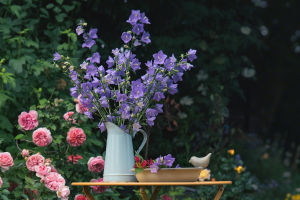
In contrast, some approaches embrace organic flow, asymmetry, and a “just-picked” feel. These designs convey spontaneity and movement.
1. Vary heights and angles
Positioning flowers at different heights creates depth and a sense of natural growth. Actionable tip: place long-stemmed flowers toward the back or sides, while letting smaller blooms drift forward. This mimics how plants grow in a garden and gives a casual, lively effect.
2. Mix textures and shapes
Combining round blooms with spiky foliage or delicate fillers creates visual interest. Example: pairing daisies with airy grasses adds texture and avoids uniformity, making the arrangement appear more dynamic and natural.
Minimalism and Emphasis on Negative Space
Some floral styles focus on simplicity, highlighting individual flowers and the space around them. This approach emphasizes mindfulness and deliberate choices.
1. Highlight one or two focal flowers
Minimalist arrangements often feature only a few blooms. Actionable example: place a single lily in a tall, slender vase with a few sprigs of greenery. This draws attention to the flower's details and form.
2. Use empty space intentionally
The absence of flowers is as meaningful as their presence. Example: spacing flowers apart in a wide vase allows each bloom to stand out, creating a serene, uncluttered composition. Tip: balance the empty areas so the arrangement feels intentional rather than sparse.
Layered Complexity and Color Play
Some design styles celebrate abundance, contrasting colors, and layered compositions. These arrangements create richness and visual excitement.
1. Layering different blooms
Stacking flowers in tiers or clusters emphasizes variety and fullness. Actionable tip: use larger flowers at the base, medium ones in the middle, and small or delicate blooms at the top to guide the eye naturally through the arrangement.
2. Contrast colors and textures
Vibrant combinations of complementary colors, along with mixed foliage textures, add energy. Example: pairing bright sunflowers with deep purple lisianthus and soft green fillers creates a lively, eye-catching centerpiece. Tip: avoid overcrowding by giving each flower room to be appreciated individually.
Choosing a Style for Purpose
Understanding these approaches allows you to select or create arrangements that match the occasion, setting, or message.
1. Formal events
Structured symmetry or layered richness works well for weddings, galas, or formal dinners. Actionable example: a polished centerpiece with roses, ranunculus, and soft greenery conveys elegance and celebration.
2. Casual or intimate settings
Naturalistic or minimalist designs suit home displays or informal gatherings. Example: a small, loose bouquet in a mason jar adds charm without overwhelming the space.
Exploring different floral styles reveals how design principles, flower selection, and composition choices shape emotion and perception. Whether you prefer structured elegance, freeform naturalism, minimalist clarity, or layered abundance, each approach communicates a story and mood. By observing and experimenting with these techniques, you can create arrangements that not only please the eye but also convey intentional expression and feeling.