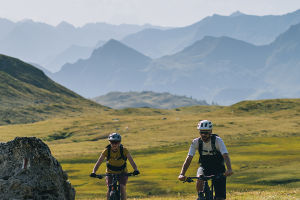
Outdoor activities are always full of excitement, and nothing beats the thrill of exploring the wild. Outdoor adventure tourism is gaining popularity thanks to its sense of mystery and challenge.
Many travelers are drawn to these experiences, making it one of the fastest-growing travel trends worldwide.
Nature All Around
In our journeys, we can take advantage of incredible landscapes: flowing rivers, serene lakes, towering mountains, deserts, vast steppes, snowy peaks, and glaciers. Each environment offers unique challenges and experiences, from hiking and camping to kayaking and ice trekking. Nature itself becomes our playground.
Preparation Before Departure
To enjoy outdoor exploration safely, preparation is key. Here's a checklist we can follow:
- Clothing: Sun hats, warm hats, scarves, quick-dry pants and shirts, fleece layers, waterproof jackets and pants, down jackets (light and heavy), raincoat, hiking shoes, and moisture-wicking or waterproof socks.
- Gear: Gloves, knee pads, trekking poles, sunglasses, waterproof bags, large and small backpacks, headlamp, whistle, GPS device or maps.
- Personal Items: Utensils, thermos, sleeping bag, toiletries, and trash bags.
- Electronics: Chargers, power banks, camera, earphones, selfie stick.
- Documents: ID, driver’s license, bank cards.
- Extras: Masks, insulated mugs, warm packs, U-shaped pillows, high-calorie snacks, motion sickness patches, glucose, digestive medicine, bandages, antiseptic, gauze.
Key Safety Considerations
Before heading out, we should keep in mind:
- We must be healthy and evaluate if our physical condition matches the activity level.
- Teamwork, safety, environmental protection, and fire awareness are essential. Outdoor adventures should combine self-reliance with necessary mutual support.
- Avoid running ahead, separating from the group, or chasing curiosity without guidance.
- Respect wildlife and protected plants; always dispose of trash properly.
- Follow the leader’s instructions, cooperate with teammates, and prioritize the team over individual preference.
- Check weather conditions and research historical trends for the area we plan to visit.
- Understand local terrain and prepare for emergencies like avalanches or rockfalls.
- Carry first-aid supplies and know basic emergency response techniques.
- Only join licensed outdoor teams to ensure safety.
- Camp near water sources for cooking and washing, but stay alert for wildlife.
- Avoid setting up camp near wild animal tracks, nests, or snake-prone areas. Use insect repellents and scatter ash around the campsite to deter snakes or scorpions.
Camping Tips
When choosing a campsite, we should consider:
- Close to water: Access to streams, lakes, or rivers is essential, but avoid riverbanks that could flood during rain or from upstream water sources.
- Sheltered from wind: Pick a wind-protected area, especially in valleys or riverbeds, and orient the tent properly.
- Away from cliffs: Avoid camping under cliffs to prevent falling rocks during storms.
- Near communities: Being close to local communities helps in emergencies and ensures easier access to supplies.
- Shaded areas: For camps lasting multiple days, choose shade to stay cool during the day, ideally under trees or on the north side of a hill.
Nutrition on the Trail
Food is crucial for successful outdoor adventures. It affects survival in harsh environments, recovery speed, and long-term energy.
- Trail snacks: Sugar cubes, chocolate, energy bars, dried fruits.
- Dinner: Noodles, rice, potatoes, millet, corn, flatbread.
- Breakfast: Oatmeal, cornmeal, sesame paste, instant porridge.
- Dairy and eggs: Eggs, powdered milk, cocoa.
- Protein options: Sausages, cheese.
- Flour-based items: Flour, self-rising flour, pre-made baking mixes.
- Sugar and drinks: Fruit syrup, brown sugar, white sugar, glucose.
- Soups: Freeze-dried or instant soups, and seasoning sauces.
We can adjust food choices based on personal needs.
Emergency Preparedness
- Lightning Safety: Stay alert for storm clouds, listen for static on radios, move to low areas, avoid tall trees or towers, remove metal objects, and head to shelters like cars or small buildings.
- Falling Rocks & Avalanches: Watch for loose rocks, wear helmets, cover your head, and alert teammates when stones fall. In avalanches, swim motions help keep your head above snow and use items for visibility to aid rescue.
- Getting Lost: Stay calm, note landmarks, use maps and compass, and leave signs for teammates. If night falls or you are injured, stay put, conserve energy, and send signals for help.
- Water Hazards: Float calmly, move gradually toward shore, and use floating objects for rescue. If someone is unconscious after rescue, perform CPR immediately.
Final Thoughts
Lykkers, outdoor adventures are thrilling, but respecting nature and planning carefully makes the difference between an unforgettable journey and disaster. By preparing thoughtfully, staying safe, and enjoying the natural world responsibly, we can fully embrace the excitement of exploration while keeping ourselves and the team protected.