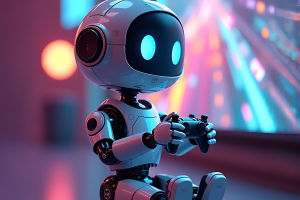
We've all seen it in movies: robots performing tasks once done by humans, algorithms predicting everything from what we'll buy to what we'll watch.
However, the rise of automation and artificial intelligence (AI) isn't just fiction anymore.
These technologies are already changing industries and reshaping the job market. From manufacturing to healthcare, AI and automation are improving efficiency, reducing costs, and driving innovation—but they also bring challenges, especially when it comes to jobs.
Automation, in simple terms, is using technology to perform tasks that were previously carried out by humans. AI takes this a step further by mimicking human cognitive functions like learning, decision-making, and problem-solving. As both of these technologies evolve, they are having a profound impact on the types of jobs available and the skills required to do them.
Impact on Traditional Jobs
- Manufacturing and Manual Labor
Industries like manufacturing have been the first to feel the effects of automation. Robots on production lines can work faster and longer than humans, performing repetitive tasks with precision. For example, car manufacturers have long used robots to weld, paint, and assemble vehicles. While this reduces human error and improves production speed, it also means fewer jobs for manual laborers.
- Administrative and Customer Service Roles
Automation also threatens jobs in customer service and administrative work. Chatbots, voice assistants, and automated scheduling systems can handle tasks like answering customer queries, processing orders, and managing appointments—tasks that would once require human employees. For instance, many companies now use automated phone systems to answer customer questions, which has led to a decline in call center jobs.
- Transportation and Delivery
With the development of self-driving vehicles, jobs in transportation are also at risk. Long-haul truck drivers, taxi drivers, and delivery workers may find their roles replaced by autonomous vehicles that can operate around the clock without rest. Companies like Tesla and Waymo are already testing self-driving cars, and it's only a matter of time before these vehicles become more mainstream.
Creating New Job Opportunities
While automation and AI are displacing some jobs, they're also creating new ones. For every automated process that eliminates a job, there's often a new role created to maintain or optimize that technology. This shift is leading to an increasing demand for tech-savvy workers.
- AI and Data Science Roles
As companies implement more AI-driven systems, there's a growing need for data scientists and AI specialists. These professionals develop algorithms, analyze data, and ensure that AI systems function as intended. If you have a background in coding, machine learning, or data analysis, this is a field that's expanding rapidly and offers plenty of job opportunities.
- Automation Maintenance and Management
With the rise of automation in industries like manufacturing, there's also a demand for technicians who can maintain and repair these systems. These roles often require a combination of engineering skills and technical knowledge to ensure that automated systems continue to function smoothly and efficiently. For example, robotic process automation (RPA) specialists are needed to troubleshoot and optimize robotic systems in factories.
- Creative Industries and AI Collaboration
AI is also having an impact on creative industries, where tools like generative design software and AI-based content creation are assisting artists and designers. While AI may be able to help with tasks like creating drafts or editing videos, human creativity is still needed to bring unique ideas to life. This partnership between humans and machines is opening up new roles in content creation, graphic design, and entertainment technology.
Reskilling: The Key to Adapting
For workers whose jobs are at risk, the key to surviving the rise of AI and automation is reskilling. Upskilling refers to learning new skills or enhancing existing ones to stay competitive in the job market.
- Learning Digital Skills
One of the most crucial skills to acquire in today's job market is digital literacy. Understanding how to work with new technologies, from AI to cloud computing, is becoming essential for nearly every job. Many online platforms and courses can help individuals develop these skills, even if they're starting from scratch.
- Fostering Soft Skills
While AI and automation can handle technical tasks, soft skills like creativity, emotional intelligence, and critical thinking are still highly valued. These skills are harder for machines to replicate, making them essential for jobs in leadership, customer relations, and creative fields. Focusing on these areas can make workers more adaptable and resilient in the changing job market.
- Building New Industry-Specific Knowledge
As industries evolve with automation and AI, workers may need to familiarize themselves with new technologies and systems specific to their fields. For example, healthcare workers may need to learn how to use AI-powered diagnostic tools, while educators might need to understand how AI can be used in personalized learning.
Dr. Eric Topol, cardiologist and Founder/Director of the Scripps Research Translational Institute, states that by augmenting human performance, artificial intelligence has the potential to markedly improve productivity, efficiency, workflow, and accuracy, emphasizing that this "keyboard liberation" allows doctors to shift away from transactional tasks and focus their full attention on the patient.
Social and Economic Challenges
The rise of AI and automation also presents social and economic challenges. One concern is income inequality—automation could disproportionately affect lower-wage, less-skilled workers who are most likely to lose their jobs. This could exacerbate the wealth gap and create social unrest.
Additionally, there's the issue of job displacement in certain regions. While tech-driven industries may thrive in urban centers, rural areas or communities with fewer resources may struggle to adapt. Bridging this gap requires investing in education, infrastructure, and policies that help people transition into new roles.
Final Thoughts
Automation and AI are changing the world of work in profound ways. While these technologies are pushing the boundaries of innovation, they also come with challenges, particularly for workers in traditional jobs. However, the rise of automation is not all doom and gloom. It's also creating exciting new opportunities for those who are willing to adapt and learn.
The future of work will likely involve collaboration between humans and machines, with technology enhancing our abilities rather than replacing them. By investing in reskilling and embracing the new digital economy, workers can not only survive the AI revolution but thrive in it.