Floral Beauty Meets Sustainability
Have you ever bought a beautiful bouquet only to feel a tinge of guilt, knowing it may soon wilt and end up in the trash?
Flower arrangements have long been a symbol of beauty and celebration, but their environmental impact often goes unnoticed. With growing concerns about sustainability, you might wonder: Can flower art be sustainable?
The good news is yes, flower art can be both beautiful and sustainable. With a few mindful choices and design techniques, floral designers and enthusiasts alike can reduce waste and embrace environmentally friendly practices without compromising the aesthetics of their arrangements.
Let's explore how flower art can be more sustainable and how you can incorporate these principles into your own floral designs.
1. Sourcing Locally and Seasonally
One of the most significant ways to make flower art sustainable is by choosing flowers that are locally grown and in season. This reduces the environmental cost associated with transportation and storage. Imported flowers, especially those grown in hot climates, often require long-distance shipping, refrigeration, and a high carbon footprint.
• Local Sourcing: Buying flowers from local farmers or growers supports the community and cuts down on emissions from transport. It also helps ensure that the flowers are fresher and more likely to last longer, reducing waste.
• Seasonal Flowers: Just like fruits and vegetables, flowers have their peak seasons. By using flowers that are in season, you can reduce the need for greenhouses and excessive water use. Seasonal flowers tend to be more affordable as well, which is an added bonus.
Popular seasonal options include:
• Spring: Tulips, daffodils, and hyacinths.
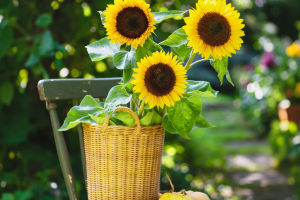
• Summer: Sunflowers, lilies, and daisies.
• Autumn: Chrysanthemums, asters, and dahlias.
• Winter: Poinsettias, holly, and amaryllis.
By following seasonal trends, you're also supporting agricultural cycles that work in harmony with nature.
2. Sustainable Flower Care
To make your floral arrangements last longer and reduce waste, proper care is essential. With a little effort, you can keep your flowers fresh for days, ensuring they bring joy for longer periods before they need to be disposed of.
• Proper Watering: Different flowers have unique water needs. Some prefer a dry environment, while others need constant moisture. Researching or asking about the care instructions for each flower type will go a long way in preserving their freshness.
• Trimming Stems: Cutting the stems diagonally allows for better water absorption and a longer life for your flowers. Also, remove any wilting petals or leaves to keep the arrangement looking fresh and clean.
• DIY Preservation: If your flowers start to wilt, consider drying or pressing them instead of throwing them away. Dried flowers can be repurposed into artwork, wreaths, or homemade potpourri, giving them a second life and keeping them out of the trash.
3. Eco-Friendly Materials
When designing floral arrangements, the materials used to hold the flowers together also matter. Traditional foam used in floral arrangements is made from non-biodegradable materials and is difficult to recycle. Fortunately, there are sustainable alternatives that are just as effective.
• Floral Foam Alternatives: Instead of using foam, try using natural materials like moss, wire, or even wooden blocks to hold the flowers in place. These materials are biodegradable and do not contribute to long-lasting waste.
• Recyclable Vases: Glass vases are a great sustainable option. They can be reused indefinitely and are easy to clean and recycle. Avoid using plastic containers, as they contribute to waste and are often not recyclable.
• Repurposed Containers: Get creative with the vessels you use for your flower arrangements. Old jars, teacups, and ceramic bowls can be upcycled to create unique and charming floral displays. Not only does this reduce waste, but it also adds a personal touch to your designs.
4. Flower Alternatives: Greenery and Dried Florals
If you're looking for a completely eco-friendly floral design, consider opting for alternatives to fresh-cut flowers. Greenery, dried florals, and even artificial flowers made from sustainable materials can add beauty and longevity to your floral art.
• Greenery: Using lush greenery like ferns, eucalyptus, and ivy in your floral designs can reduce the amount of floral waste. Greenery also lasts longer than most flowers, and many varieties are available year-round.
• Dried Flowers: Dried florals are becoming increasingly popular in home décor. These flowers don't need to be replaced as often and can last for years, which makes them an excellent choice for sustainable flower arrangements.
• Sustainable Artificial Flowers: While traditional artificial flowers often contain plastics that contribute to landfill waste, eco-friendly options are now available. Look for brands that use biodegradable materials like silk made from sustainable sources.
5. Repurposing and Composting
Once your flowers have run their course, it's important to dispose of them in an eco-conscious manner. Instead of throwing them away, consider these sustainable options:
• Composting: Flowers and their stems, leaves, and petals can be composted. If you don't have your own compost bin, check with local community gardens or recycling centers to see if they accept floral waste.
• Repurposing Petals: Use petals from old flowers to make natural confetti for parties or weddings. They can also be infused into oils or used in homemade soaps and lotions for a fragrant touch.
Final Thoughts
Sustainability and flower art don't have to be mutually exclusive. By making mindful choices when sourcing, caring for, and disposing of flowers, you can reduce the environmental impact of your floral arrangements while still enjoying their beauty. Whether it's selecting locally grown, seasonal blooms, embracing greenery and dried florals, or using eco-friendly materials, every small change you make helps promote a more sustainable and eco-conscious approach to floral design.
As more people embrace sustainability in all aspects of life, flower art is no exception. By integrating these practices into your own floral arrangements, you'll not only beautify your space but also contribute to the well-being of the planet.